The Ultimate Guide to Gorilla Trekking in Uganda: Costs, Permits & Preparation
Table of Contents
ToggleThe Ultimate Guide to Gorilla Trekking in Uganda: Costs, Permits & Preparation
There are few moments in life that can truly be described as transformative. Locking eyes with a mountain gorilla in its misty forest home is one of them. It’s a silent, profound conversation between species that etches itself onto your soul. This isn’t just a tour; it’s a pilgrimage into the heart of the wild, and Uganda’s Bwindi Impenetrable National Park and Mgahinga Gorilla National Park are the sacred grounds.
At Wildpath Safaris, with over 15 years of guiding travelers to these gentle giants, we believe the journey should be as seamless as the encounter is powerful. This ultimate guide will walk you through every step, from securing that crucial permit to what to pack in your daypack.
Why Choose Uganda for Gorilla Trekking?
While Rwanda offers a fantastic gorilla trekking experience, Uganda presents a unique, wilder alternative. Often referred to as the “Pearl of Africa,” Uganda offers a more diverse landscape for your adventure. The trek through Bwindi’s ancient, “impenetrable” forest is an adventure in itself, and the cost of a gorilla permit is typically more accessible. Furthermore, Uganda’s conservation model is a resounding success, with gorilla populations steadily increasing—a testament to the sustainable tourism you’re supporting by choosing to visit.
The Most Important Step: Securing Your Gorilla Permit
Think of a gorilla permit as your golden ticket. It is a mandatory pass issued by the Uganda Wildlife Authority (UWA) that grants you one hour with a habituated gorilla family. The current cost of a gorilla trekking permit in Uganda is $800 USD per person for foreign non-residents.
How to Book:
Permits must be booked through a licensed tour operator. This is where Wildpath Safaris comes in. As a trusted local operator based in Kampala, we secure legitimate permits directly from UWA, protecting you from scams and fraudulent sellers. We recommend booking 6 to 12 months in advance, especially for the peak seasons (June-August and December-February), as permits are limited and sell out quickly.
Breaking Down the Cost of Your Gorilla Trekking Safari
The permit is the single biggest cost, but understanding the full picture helps with budgeting. A typical safari includes:
- Gorilla Permit: $800 per person.
- International Flights: Variable, but a significant cost.
- Accommodation: Ranges from budget-friendly lodges ($80/night) to ultra-luxury retreats ($800+/night).
- Ground Transportation: A private 4×4 safari vehicle with a driver/guide is essential.
- Other Park Fees & Activities: Park entry fees, chimp tracking, community visits, etc.
- Tour Operator Cost: Covers logistics, guiding, and operational expertise.
At Wildpath Safaris, we provide transparent, all-inclusive quotes so there are no surprises. You can focus on the experience, not the expenses.
A Day in the Life of a Gorilla Trek
Your day will be one of anticipation and reward.
- Morning (7:00 – 8:00 AM): You’ll have an early breakfast before heading to the park headquarters for a crucial briefing. Here, you’ll be assigned to a gorilla family based on your fitness level and the groups’ locations. The air is thick with excitement.
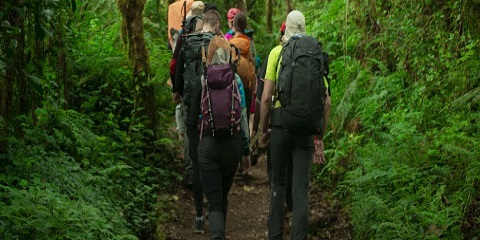
- The Trek (8:00 AM onwards): The journey can take anywhere from 30 minutes to 4 hours one-way, through steep, muddy, and dense terrain. Our expert guides and trackers know the forest intimately. Porters are available for hire at the starting point—a worthwhile investment to carry your pack and offer a helping hand.
- The Hour with the Gorillas: The moment you hear the first grunt or see movement in the foliage, your heart will race. You have one precious hour to observe these magnificent creatures. Follow your guide’s instructions: maintain a 7-meter distance, speak in whispers, and no flash photography.
- After the Trek: The return journey is often filled with a shared sense of awe. Back at the starting point, you’ll receive a certificate commemorating your trek—a proud souvenir of your achievement.
How to Prepare: Fitness & What to Pack
Fitness Level:
Gorilla trekking is physically demanding. You should be in good health and able to hike steep, uneven terrain at an altitude of 1,500-2,500 meters. We recommend regular walking, hiking, or cardio exercises for at least a month before your trip.
The Essential Packing Checklist for Gorilla Trekking:
- Sturdy, waterproof hiking boots (broken in!)
- Gardening gloves for pushing through vegetation
- Waterproof rain jacket or poncho (the weather is unpredictable)
- Long, thick socks and trousers to protect from stinging nettles
- A comfortable daypack with at least 2 liters of water and snacks
- Camera with a zoom lens and extra batteries/memory cards (in a plastic bag for protection)
Gorilla Trekking Rules & Etiquette
These rules are for the protection of the gorillas and your own safety. You will be briefed on them, but key points include:
- If you are sick, you will not be allowed to trek (to protect the gorillas from human diseases).
- Always stay with your group and follow the guide’s lead.
- Do not eat or smoke near the gorillas.
- If a gorilla approaches, crouch down slowly and avoid direct eye contact.
- No littering.
Your Unforgettable Journey Awaits
A gorilla trekking safari is more than a holiday; it’s a profound connection with nature that will stay with you forever. The challenges of the trek make the reward all the more sweet.
Ready to secure your permit and embark on the adventure of a lifetime? Contact Wildpath Safaris today, and let our local expertise handle all the details for your perfect Ugandan gorilla trekking safari. Wander with wonder.