

Lake Mburo National Park
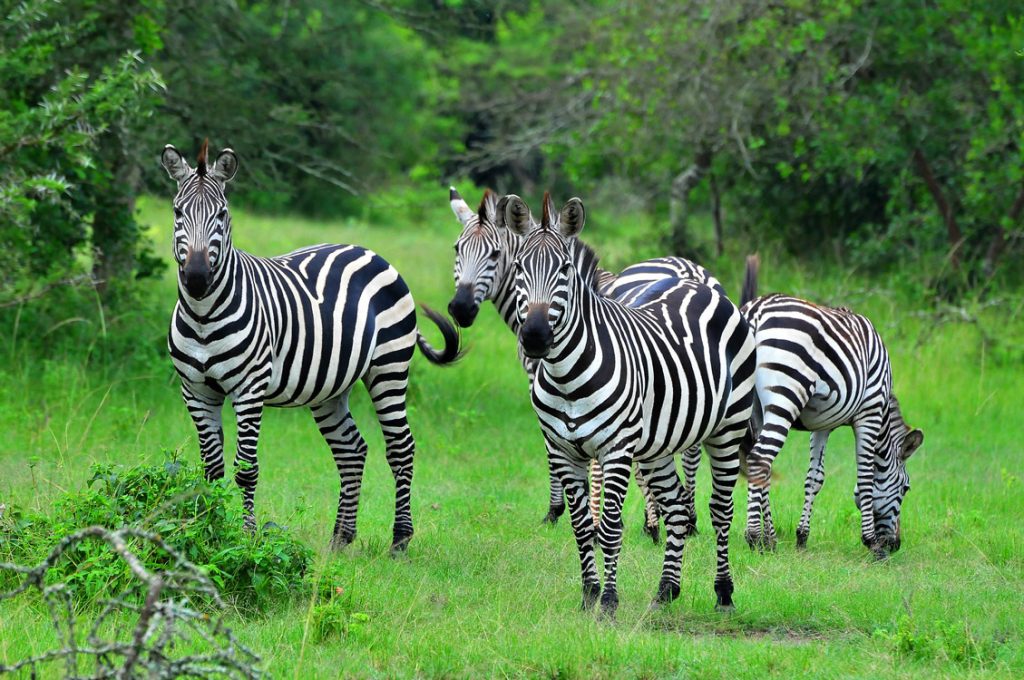
The Compact Gem of Uganda’s Savannah
Introduction to Lake Mburo National Park
Located in central-western Uganda, just 240 kilometers from Kampala, Lake Mburo National Park serves as the country’s most accessible and convenient safari destination. Covering 370 square kilometers of rolling hills, open grasslands, and rich wetlands, this compact park offers an incredible diversity of experiences in a manageable size. Its proximity to the capital makes it the perfect introduction to Ugandan wildlife or a delightful add-on to any itinerary.
The park’s unique acacia-dotted landscape, interspersed with five lakes and seasonal swamps, creates a breathtaking backdrop for wildlife viewing. Unlike any other Ugandan national park, Lake Mburo features an extensive network of lakes and wetlands that support a rich array of aquatic life and waterbirds, while its open savannah provides ideal conditions for classic African wildlife encounters.
Unique Wildlife Experiences
Walking Safari Excellence
Lake Mburo stands out as one of the few Ugandan parks where walking safaris are permitted:
Intimate Encounters: Approach wildlife on foot with experienced armed guides
Small Details: Discover tracks, insects, and plant life often missed on game drives
Morning Walks: Optimal 2-3 hour walks during cool morning hours
Expert Guides: Knowledgeable rangers sharing ecological insights
Boat Safari Adventures
The lake itself offers exceptional wildlife viewing opportunities:
Hippo Populations: Observe large pods of hippos in their natural habitat
Crocodile Sightings: Nile crocodiles basking on lake shores
Birdwatching Paradise: Excellent waterbird viewing including fish eagles
Sunset Cruises: Magical evening trips with spectacular lighting
Key Wildlife Species
Mammal Highlights
The park hosts 68 mammal species including:
Zebra Herds: The only park in Uganda with Burchell’s zebra
Impala: Large populations of these graceful antelope
Eland: Africa’s largest antelope species
Predators: Leopards, hyenas, and various smaller carnivores
Birdwatching Specialties
With over 350 bird species, the park offers:
Waterbirds: Herons, storks, and kingfishers along lake shores
Forest Species: Various woodland birds in forested areas
Raptors: Multiple eagle and hawk species
Specialties: Red-faced barbet and African finfoot
Activities and Experiences
Game Drives
Explore the park’s diverse habitats:
Morning Drives: Best for predator activity and photography
Evening Safaris: Excellent light and different wildlife behavior
Night Drives: Discover nocturnal species with spotlights
Specialized Routes: Different circuits offering varied experiences
Mountain Biking
Unique to Lake Mburo, bike safaris offer:
Independent Exploration: Self-guided or guided bike tours
Close Encounters: Quiet approach to wildlife
Scenic Routes: Beautiful trails through acacia woodland
Equipment Rental: Quality bikes available at park entrance
Cultural Encounters
Engage with local communities:
Banyankole Culture: Learn about the pastoralist traditions
Community Walks: Guided village visits and homestead tours
Craft Markets: Support local artisans and women’s groups
Traditional Performances: Experience local music and dance
Practical Information
Best Time to Visit
Dry Seasons: June-August and December-February for optimal viewing
Year-Round Access: Park accessible throughout the year
Early Mornings: Best for wildlife activity and photography
Weekday Visits: Fewer visitors than weekends
Accommodation Options
Luxury Lodges: Mihingo Lodge with stunning lake views
Mid-Range: Comfortable tented camps and hotels
Budget Options: Basic bandas and camping facilities
Community Stays: Authentic cultural experiences
Getting There
From Kampala: 3-4 hour drive on good tarmac roads
Public Transport: Regular buses and matatus to park gate
Self-Drive: Well-signposted route with fuel available
Air Access: Charter flights available to nearby airstrip
Conservation and Sustainability
Park Management
Lake Mburo represents successful conservation efforts:
Community Partnerships: Local involvement in park management
Wildlife Protection: Anti-poaching and habitat conservation
Research Programs: Ongoing ecological studies
Sustainable Tourism: Visitor fees supporting conservation
Community Benefits
Tourism directly supports local communities:
Employment Opportunities: Guides, lodge staff, and support services
Revenue Sharing: Park entrance fees supporting local projects
Education Support: Scholarships and school improvements
Healthcare Initiatives: Medical facilities and health programs
Why Choose Lake Mburo National Park
Accessibility Advantages
Proximity to Kampala: Perfect for short safaris
Easy Logistics: Straightforward planning and access
Family-Friendly: Manageable size and diverse activities
Cost-Effective: More affordable than remote parks
Diverse Experiences
Multiple Activities: Walking, boating, biking, and game drives
Varied Habitats: Lake, forest, and savannah ecosystems
Cultural Integration: Easy community access and engagement
Photographic Variety: Landscapes, wildlife, and cultural subjects
Planning Your Visit with Wildpath Safaris
Our expertise ensures the perfect Lake Mburo experience:
Customized Itineraries: Tailored to your interests and time frame
Expert Guidance: Knowledgeable about park ecology and wildlife
Seamless Logistics: All transportation and accommodation handled
Local Connections: Authentic cultural experiences arranged
Ready to experience Uganda’s most accessible wildlife destination? Contact Rao One Safaris today to include Lake Mburo National Park in your Uganda adventure. From thrilling walking safaris to serene boat trips, we’ll create your perfect safari experience just hours from Kampala.
