

Kidepo Valley National Park
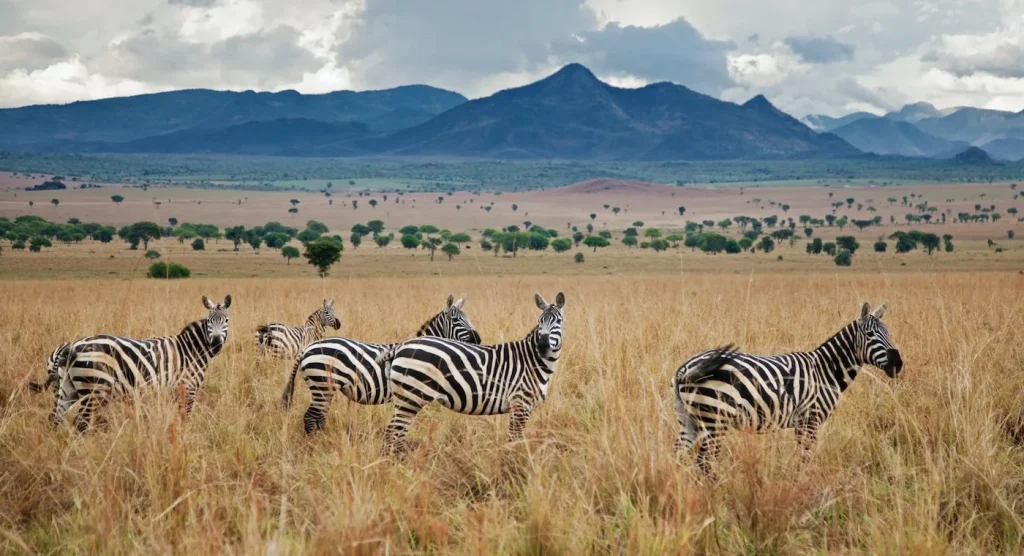
Uganda’s Wildest and Most Remote Wilderness
Introduction to Kidepo Valley National Park
Tucked away in Uganda’s rugged northeastern corner, Kidepo Valley National Park stands as the country’s most remote and untamed wilderness area. Spanning 1,442 square kilometers of pristine savanna, this breathtaking park offers an authentic African safari experience far from the crowds. Named among Africa’s top national parks by CNN Travel, Kidepo’s isolation has preserved its raw beauty and created a sanctuary for wildlife that roams freely across vast, open plains.
The park’s dramatic landscape features the rugged Narus Valley, the seasonal Kidepo River, and the majestic Morungole Mountains, creating a spectacular backdrop for wildlife viewing. With only about 5,000 visitors annually compared to hundreds of thousands in more famous parks, Kidepo offers a rare opportunity to experience Africa as it was a century ago – wild, untouched, and profoundly beautiful.
Unique Wildlife Encounters
The Big Game Experience
Kidepo hosts 86 mammal species, including several found nowhere else in Uganda:
Predator Paradise: Healthy populations of lions, leopards, and cheetahs
Elephant Herds: Large herds of elephants roaming the Narus Valley
Rare Antelope: Chandler’s mountain reedbuck and greater kudu
Special Sightings: Bat-eared foxes, aardwolves, and caracals
Birdwatching Excellence
With over 475 bird species, Kidepo is a birder’s paradise:
Raptor Concentration: 56 species of birds of prey including lammergeyers
Endemic Species: Karamoja apalis and black-breasted barbet
Seasonal Migrants: European and intra-African migratory species
Best Birding: November-April for resident and migratory species
Key Areas and Activities
Narus Valley
The park’s prime wildlife viewing area features:
Permanent Water Sources: Supporting wildlife year-round
Game Drives: Excellent predator and prey sightings
Morning Safaris: Optimal wildlife activity during cool hours
Guided Nature Walks: Intimate encounters with smaller species
Kidepo River Area
The seasonal river zone offers:
Palm Forests: Dramatic borassus palm landscapes
Cultural Encounters: IK community interactions
Scenic Beauty: Vast open plains and mountain views
Seasonal Wildlife: Herds during rainy season migrations
Mount Morungole
The sacred mountain of the IK people provides:
Hiking Opportunities: Challenging but rewarding climbs
Cultural Significance: Spiritual home of the IK community
Panoramic Views: Stunning park vistas from higher elevations
Unique Ecosystems: Montane vegetation and rare species
Cultural Experiences
IK Community Encounters
Experience the ancient culture of one of Africa’s most remote tribes:
Traditional Lifestyle: Learn about IK hunting and gathering traditions
Cultural Performances: Ancient dances and storytelling
Community Projects: Support local initiatives through tourism
Guided Visits: Respectful cultural exchanges with local guides
Karimojong Manyatta Visits
Discover the rich pastoralist culture:
Traditional Homesteads: Authentic manyatta experiences
Cattle Culture: Learn about the importance of livestock
Craft Demonstrations: Traditional beadwork and weapon making
Cultural Preservation: Supporting traditional ways of life
Practical Information
Best Time to Visit
Dry Season: December-March for optimal wildlife viewing
Green Season: April-November for lush landscapes and birding
Access Considerations: Road conditions vary with seasons
Year-Round: Wildlife viewing possible throughout the year
Accommodation Options
Luxury Lodges: Apoka Safari Lodge with stunning valley views
Mid-Range: Comfortable tented camps with good facilities
Budget Options: Basic bandas and camping facilities
Community Stays: Authentic cultural immersion experiences
Getting There
Air Access: Scheduled flights from Entebbe to Kidepo airstrip
Road Journey: 10-12 hour drive from Kampala through Karamoja
Scenic Route: Beautiful landscapes but challenging road conditions
Local Transport: 4×4 vehicles essential for park access
Conservation and Community
Wildlife Protection
Kidepo’s conservation success includes:
Anti-Poaching Efforts: Dedicated ranger teams protecting wildlife
Community Involvement: Local people participating in conservation
Research Programs: Ongoing wildlife monitoring and studies
Habitat Restoration: Protecting and restoring natural ecosystems
Sustainable Tourism
The park’s remote location demands careful management:
Low Impact Tourism: Limited visitor numbers preserving wilderness
Community Benefits: Revenue sharing supporting local development
Cultural Preservation: Supporting traditional knowledge and practices
Environmental Education: Conservation awareness programs
Why Choose Kidepo Valley National Park
Authentic Wilderness Experience
Remote Location: True escape from crowded safari circuits
Pristine Ecosystems: Undisturbed natural landscapes
Exclusive Feeling: Rarely more than a few vehicles on game drives
Night Sounds: Unforgettable African wilderness atmosphere
Photographic Opportunities
Dramatic Landscapes: Vast plains and mountain backdrops
Golden Light: Perfect morning and evening photography conditions
Wildlife Behavior: Natural animal interactions without disturbance
Cultural Portraits: Authentic images of local communities
Planning Your Kidepo Adventure
With Wildpath Safaris, you’ll experience:
Expert Guidance: Knowledgeable guides familiar with the region
Customized Itineraries: Tailored to your interests and time frame
Logistical Support: Handling challenging access requirements
Cultural Sensitivity: Respectful engagement with local communities
Ready to discover Uganda’s last true wilderness? Contact Rao One Safaris today to plan your unforgettable Kidepo Valley adventure. From spectacular wildlife encounters to authentic cultural experiences, we’ll guide you to one of Africa’s most remote and rewarding safari destinations.
